Not enough hands
Demand for care rises every year, while care providers struggle to recruit and keep staff. Nights and weekends are the thinnest, and no one can be in every room at once.
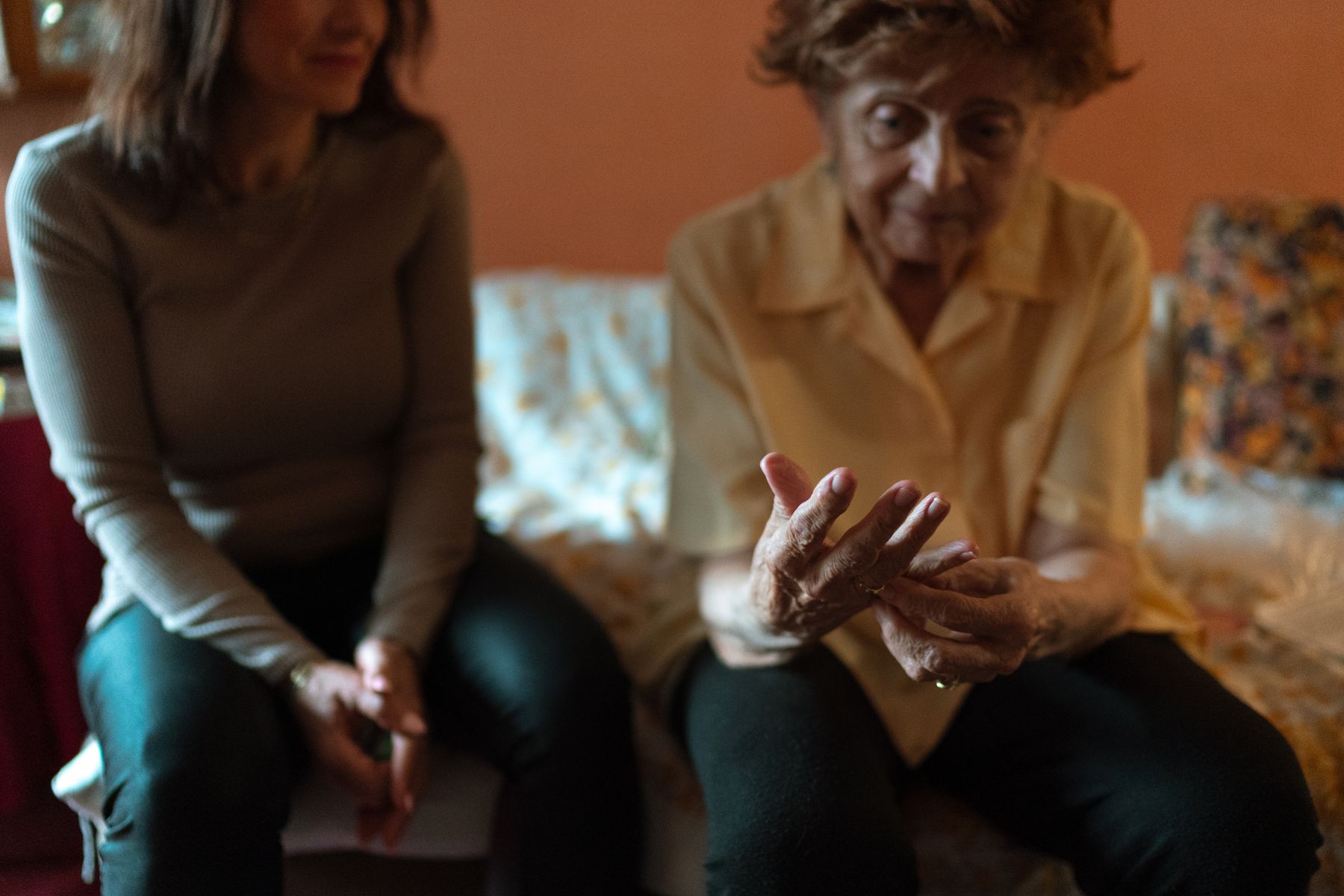
KinetiCura learns what a normal day looks like for the person you love — then watches for the moment it stops looking normal. Episodes seen and unseen, from a fall to a change too subtle to notice: detected in seconds and acted on automatically, day or night.
An ageing population needs more care than the system can supply. Three pressures meet in the same place: the home, the care facility, and the long hours between visits.
Demand for care rises every year, while care providers struggle to recruit and keep staff. Nights and weekends are the thinnest, and no one can be in every room at once.
Live-in and 24/7 care costs more than most families can sustain, and facilities face rising staffing costs of their own. Many people go without the care assistance they need.
Care happens in visits and rounds. Between them, falls go unnoticed and slow changes in how someone moves are missed, so stretched teams react to crises instead of seeing them coming.
KinetiCura closes the gap: continuous, intelligent monitoring and notification for peace of mind for loved ones and support for carers. It is an attentive presence in the background of an ordinary day — one that understands routine, notices change, and does something about it without waiting to be asked.
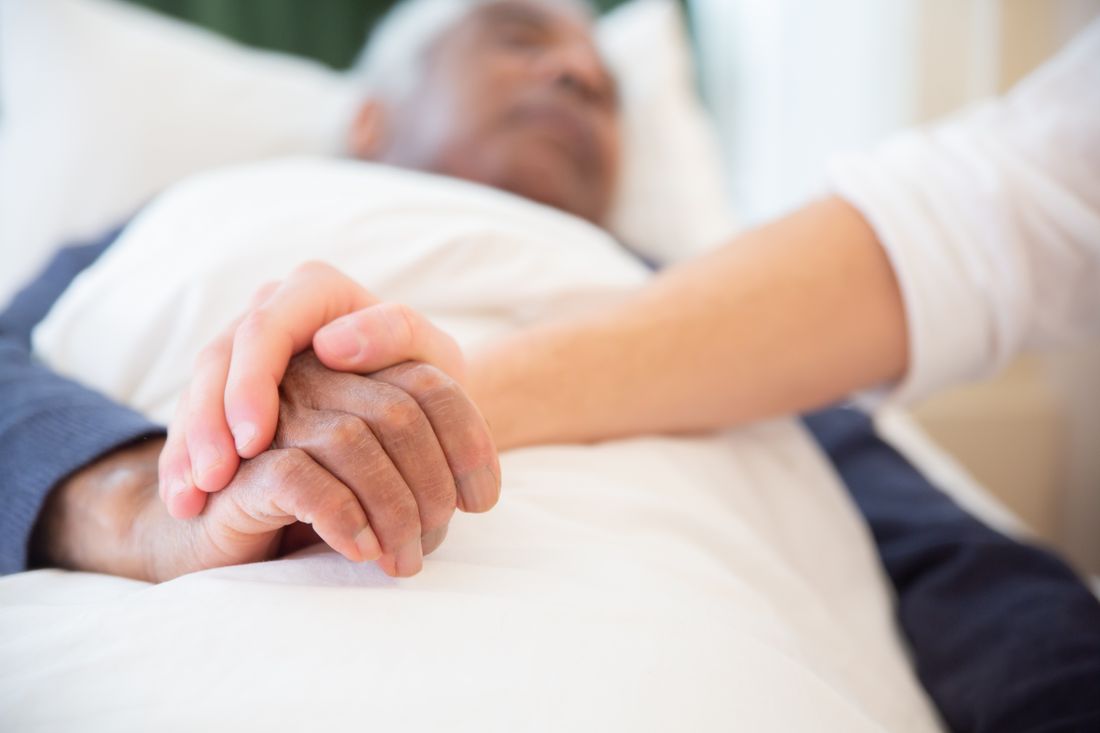
You cannot be there every hour, and you should not have to be. KinetiCura carries the watching so that your visits, calls and time together can go back to being about the relationship rather than the risk assessment.
Whether it is dawn or midnight, it remains steadfast. There is no shift change, no distraction and no gap in cover — the same standard of attention applies at 4am on a Sunday as at midday on a Tuesday.
A confirmed anomaly triggers an alert SMS notification to a nominated and prioritized circle of care — family first, then the care agency or emergency contact — until someone acknowledges it.
KinetiCura learns each person's baseline behaviour. Where other systems rely on a support team to read the data and interpret it, KinetiCura's AI does the interpreting itself: it evaluates every deviation against that person's own learned baseline and acts on it directly.
Nothing to wear, nothing to press, nothing to remember. The person being cared for simply lives their life — no device on the wrist, no pendant around the neck, no daily reminder that they are being watched over.
A monitoring system only belongs in someone's home if it respects that it is their home. KinetiCura was designed privacy-first, not privacy-patched.
An individual's normal physical behaviour is learned over time. The normal behaviour forms the resident's baseline, which is used to identify abnormal behaviour.
Some residents are monitored for unsupervised access of restricted areas, such as staircases, front doors, etc. When the specific resident enters an area marked as restricted, an alert is raised immediately.
The same intelligence, packaged for the household, the care facility and the rehabilitation centre.
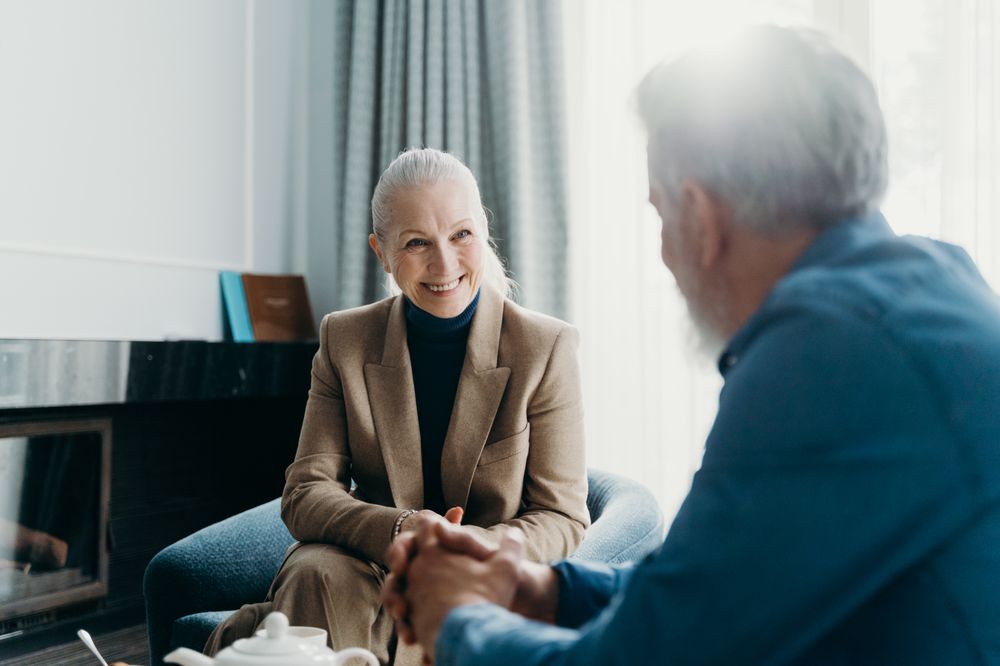
For adult children arranging care for a parent who wants to stay in their own home. Monitored rooms, alerts to your phone, and a weekly picture of how the week actually went.
Explore KinetiCura for private homes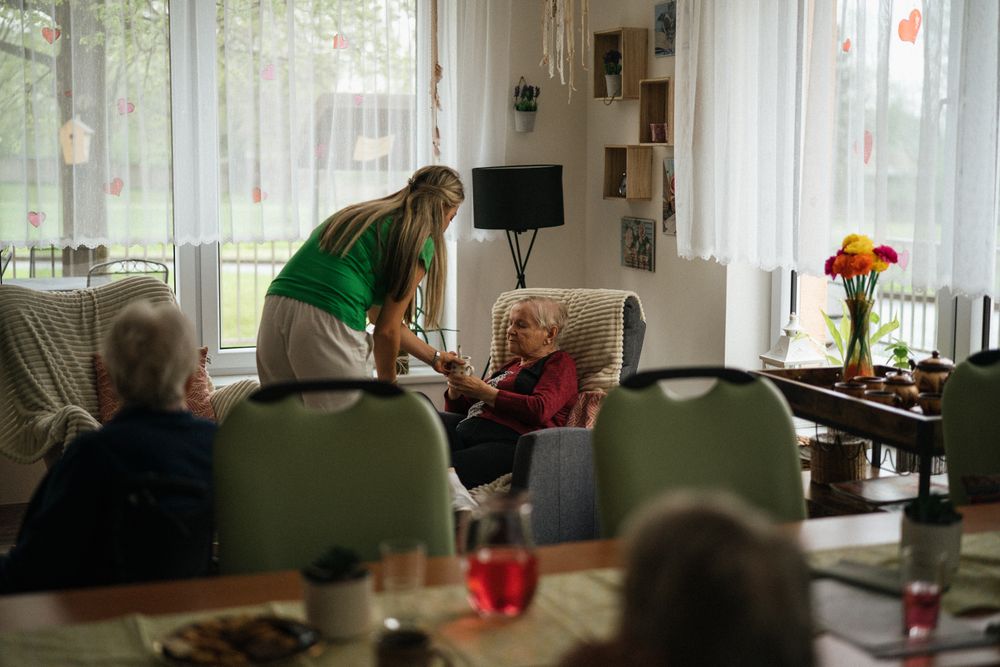
For residential, nursing and memory care teams who need night-shift cover across many rooms, incident evidence for CQC reporting, and fewer unnecessary hospital transfers.
Explore KinetiCura for care homes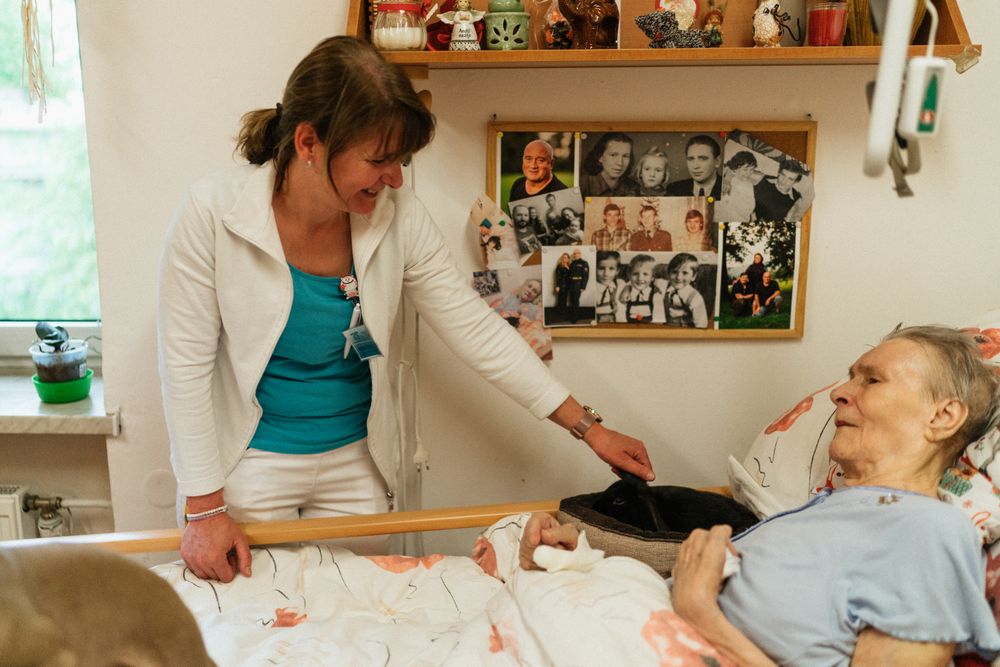
For rehabilitation treatment providers who need to perform Functional and Clinical Assessments - Evaluate the patient's mobility, risk of falling, and capacity to perform daily tasks at home before and after discharge.
Explore KinetiCura for rehabilitation centers"The first night after KinetiCura went in was the first night in two years I did not wake up at three to check my phone."Illustrative family feedback — pilot programme, Greater London
Yes. KinetiCura works from skeletal pose data rather than recognisable images. Video frames are analysed on-site and discarded immediately; nothing is stored or streamed, and all records are encrypted.
You choose a nominated and prioritized circle of care. KinetiCura automatically sends an alert SMS notification to them in priority order until someone acknowledges the alert, so nothing sits unanswered.
The edge device carries battery backup and keeps detecting locally without a connection. Alerts queue and are delivered as soon as connectivity returns, and the system flags the outage itself so nobody assumes cover that is not there.
See a demonstration of fall detection, baseline learning and automatic notification — then decide whether it belongs in your home or your community.