KinetiCura: Care in Motion
Where the science of movement meets the spirit of care.
Kineti-, from the Greek kinēsis, “movement.”
Kinetics is the science of motion: how bodies move, how fast, how smoothly, and how that changes over time. The human body is always speaking through movement. A steady gait, the arc of a reach, the pause before standing, the rhythm of a morning routine: each is a quiet signal of strength, confidence and wellbeing. When movement changes, a slower step, a hesitant balance, a routine that drifts, it is often the first sign that something needs attention, well before anyone says a word. The first half of the name is our commitment to see that language: to measure, understand and learn from the way people move through their lives.
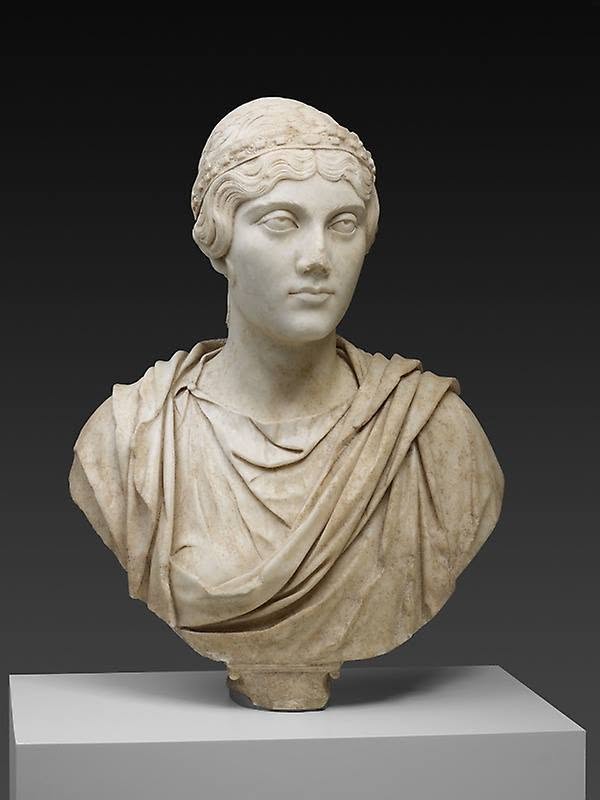
-Cura, from the Latin cūra, “care.”
In Roman mythology, Cura was the goddess of care, and her myth is one of the loveliest origin stories ever told. While crossing a river, Cura shaped a figure from clay. Jupiter gave it spirit, and when the two argued over what to call it, Saturn judged that Jupiter would reclaim its spirit at death, the earth would reclaim its body, but Cura, care, would hold the creature for as long as it lived. In this telling, care is not an add-on to being human. It is what holds a human life together. The second half of the name is our commitment to act on what we see, with attention, tenderness and respect for the dignity of every person we serve.
Perception joined to compassion.
Movement without care is just data. Care without insight is guesswork. KinetiCura holds both: technology that observes quietly and understands deeply, guided by a very old idea about what it means to look after one another.
For an older person, that means independence for longer, with a safety net that never feels like surveillance. For a family, it means peace of mind, and for a caregiver, it means the right alert at the right moment, instead of a flood of noise.