The AI decides, and then acts
KinetiCura evaluates every deviation against the person's own baseline and notifies your prioritized circle of care on its own, with an alert SMS notification, without a human analyst in the loop.
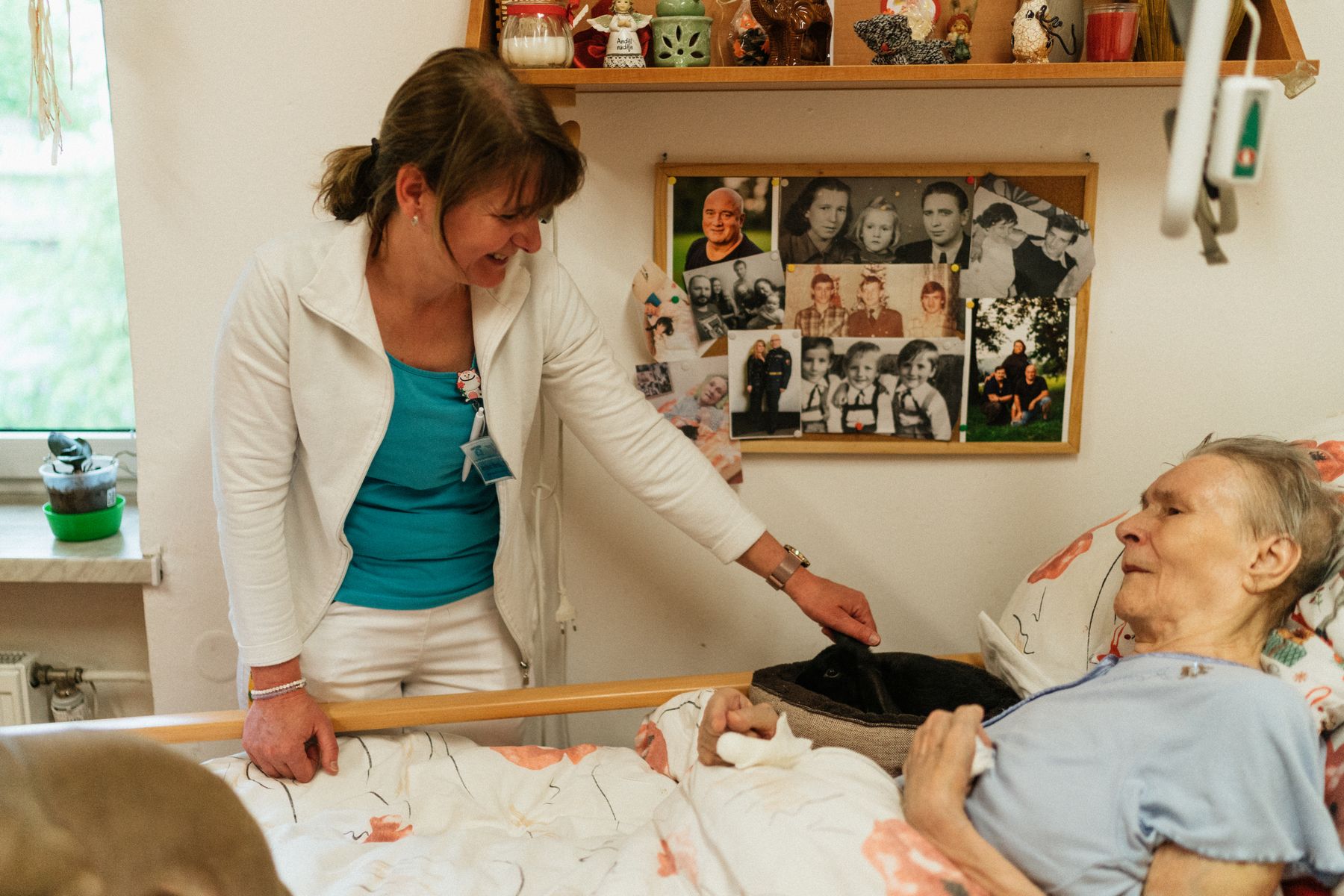
KinetiCura was built around a single idea: safety technology should understand the person it is watching over, and it should act without waiting for someone to interpret the data first.
Plenty of systems can raise an alarm. Other AI monitoring products put a support team behind the software: analysts watch the data, spot the pattern, and pass a message to the care team. KinetiCura closes that loop itself, because the intelligence sits in the system, not in a control room waiting to interpret what the data means.
KinetiCura evaluates every deviation against the person's own baseline and notifies your prioritized circle of care on its own, with an alert SMS notification, without a human analyst in the loop.
Gradual changes — slower gait, longer periods seated — are surfaced, so care can be adjusted while the change is still small.
Person re-identification keeps each individual's baseline correctly attributed as they move between rooms and cameras, and household members can be distinguished from visitors — so a busy family home does not degrade into noise.
Thresholds are personal, not one-size-fits-all. What is alarming for one resident is an ordinary Tuesday for another, and KinetiCura knows the difference because it learned it.
Inference happens locally on affordable edge hardware beside the cameras. Only events, never footage, reach the cloud.
Only skeletal pose markers are taken from each frame before it is discarded. There is no stored footage to leak, subpoena or misuse, and inference runs locally rather than in someone else's data centre.
Faces are automatically detected and registered as anonymous individuals. This is what lets KinetiCura tell one household member from another and filter out visitors — it does not build a named identity record of who anyone is.
An alert event is sent to the cloud, where the sending of the alert itself is managed and monitored. Delivery to your circle of care does not depend on a single app, device or connection staying up.
Data minimisation is designed in from the start, not added afterwards. The most sensitive data — recognisable video — is never created, and consent records, lawful basis and audit trails are built to meet both UK/EU GDPR and South Africa's POPIA.
Detection happens beside the camera. Only events — never footage — reach the cloud, where families and care teams get their dashboard, alerts and reporting.
See a demonstration of baseline learning, fall detection and automatic notification of your circle of care. Questions about privacy and false alarms? Ask us directly.